

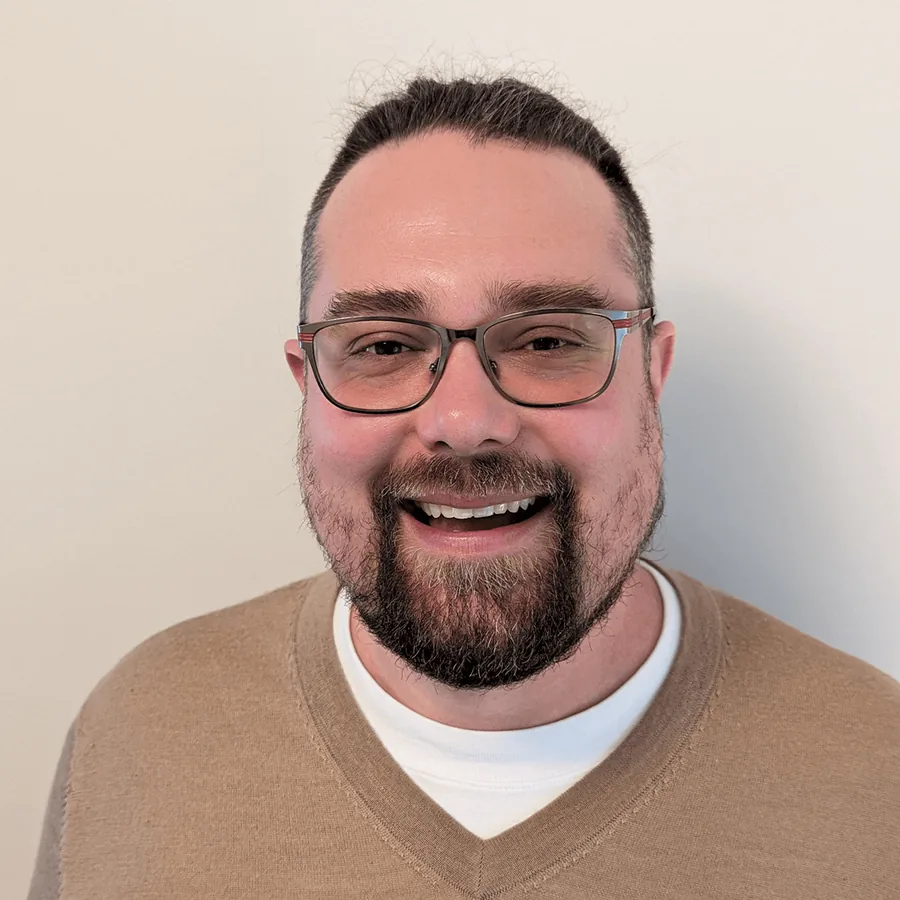
Lucas Wade
Registered Social Service Worker · Psychotherapist
Executive Director · Founder · OCSWSSW
Lived experience
Our Team
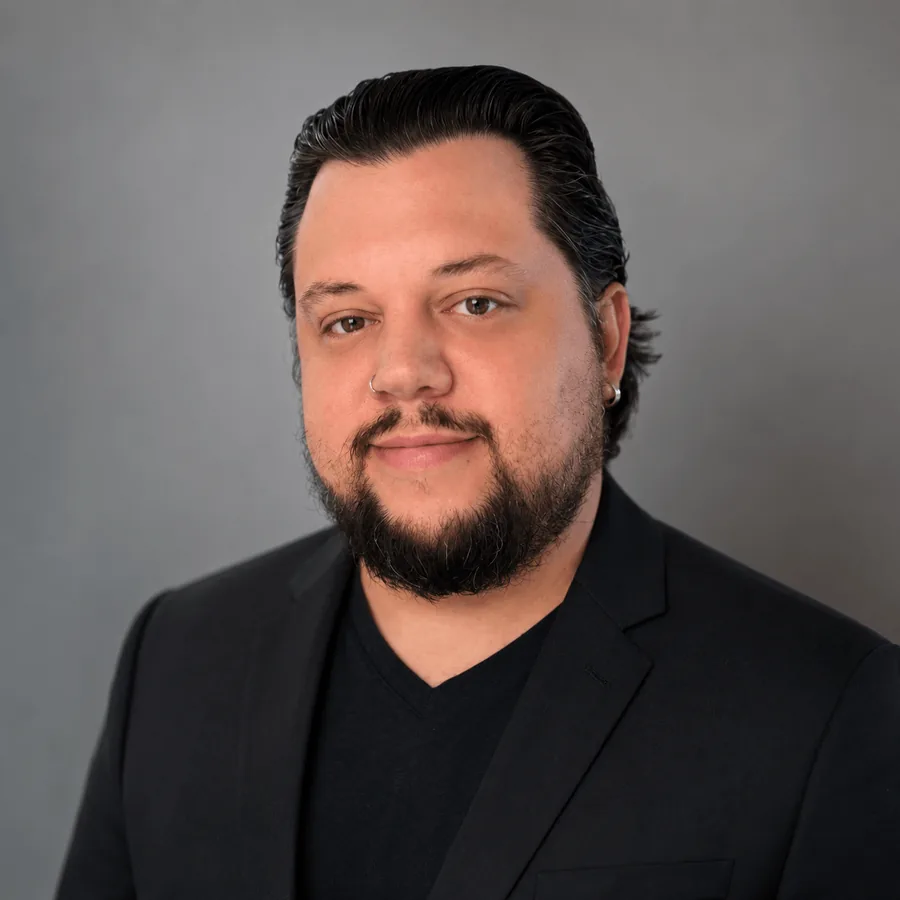
Addictions Counsellor, Recovery Coach
“Everyone deserves a space where they can speak honestly about their struggles without fear of judgment.”
My name is Jordan, and I know firsthand that recovery is not a straight line. As someone who is in recovery myself, I understand the challenges, setbacks, and victories that come with making meaningful changes and building a healthier life.
With a background in Community Service Work (CSW) and additional training in mental health and addiction, I combine lived experience with professional knowledge to provide compassionate, person-centered support. I believe that everyone deserves a space where they can be honest about their struggles without fear of judgment, and where they feel empowered to create positive change at their own pace.
Whether you’re newly exploring recovery, returning after a setback, or looking to strengthen the foundation you’ve already built, I am here to support you. Together, we can identify obstacles, develop practical strategies, build healthy routines, and focus on the goals that matter most to you.
Recovery is about more than abstaining from substances. It’s about creating a life that feels meaningful, connected, and worth showing up for every day. My goal is to help you discover your strengths, build confidence in your ability to overcome challenges, and move forward with hope and purpose.
Call and we’ll talk it through. If someone else on the team is the better match, we’ll say so — that’s the whole point of the first conversation.
Free consultation · No commitment · Confidential
Every clinician is registered in their profession, brings lived experience in recovery, or both.
Registered Social Service Worker · Psychotherapist
Executive Director · Founder · OCSWSSW
Lived experience
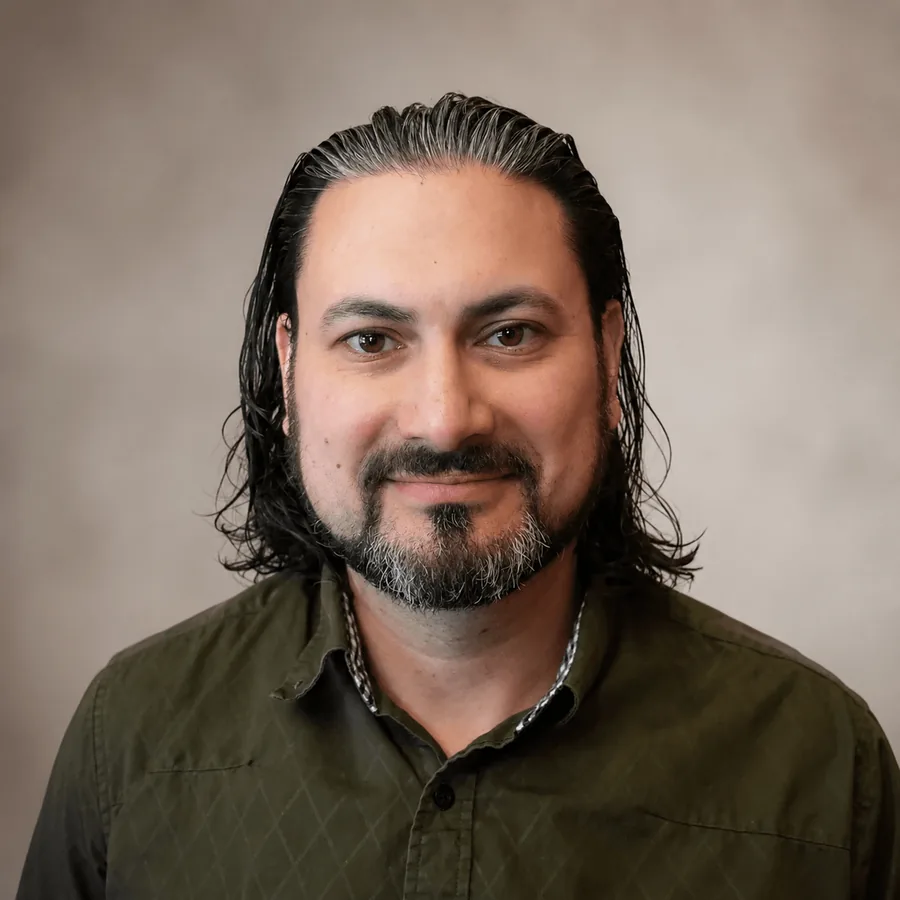
Family Physician & GP Psychotherapist
M.D. · CCFP · CPSO
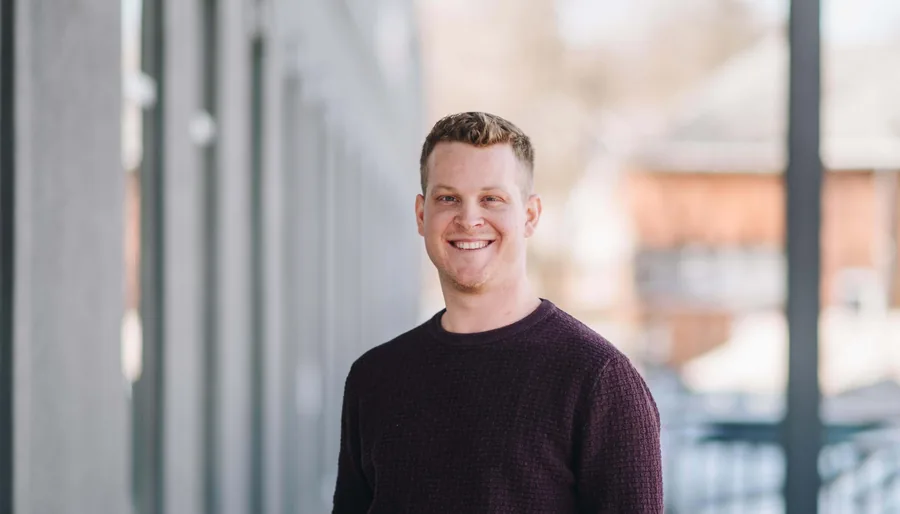
Registered Psychotherapist (Qualifying)
CRPO
Addiction Counsellor · Recovery Coach
Community Service Work
Lived experience
A therapist works within a regulated scope — mental health conditions, and the deeper patterns underneath the behaviour. Coaching is practical and forward-facing: what this week looks like, what keeps getting in the way, what you’re actually building toward.
Plenty of people do both at the same time, and because this team holds both, you can add one to the other without going anywhere else or re-telling your story.
Usually not. Coaching isn’t a regulated health service, so extended health plans rarely reimburse it. Health Spending Accounts sometimes do, because their rules are broader — worth checking.
If coverage is what decides it, starting with counselling or psychotherapy and adding coaching later is a perfectly sensible order, and we’ll tell you if that’s the better route. The Fees & Financing page covers the rest.
No. He works with people newly exploring the idea, people coming back after a setback, and people strengthening a foundation that’s already there.
Almost nobody arrives with this figured out. Recovery isn’t a straight line, and you don’t have to have made it straight before you call.
That Jordan is in recovery himself. He knows the setbacks and the victories from the inside, not from a textbook.
In practice it means you can be honest about the parts that feel embarrassing, because none of it is going to be new to him — and it won’t be met with judgement.
You name what’s in the way, and the two of you work on it — identifying obstacles, building practical strategies, putting routines in place that hold up on a bad week.
Recovery is about more than not using. The aim is a life that feels meaningful, connected and worth showing up for, so the goals you set are yours rather than a generic plan.